Understanding the Difference and their Causes
In the world of skincare, terms like pigmentation and hyperpigmentation are often used interchangeably. However, these two conditions have distinct characteristics and underlying causes. In this blog, I aim to shed light on the difference between pigmentation and hyperpigmentation, helping you better understand these common skin concerns and how to address them effectively.
What’s the Difference?
Pigmentation and Hyperpigmentation: Pigmentation refers to the natural coloration of our skin, determined by the amount and type of melanin present. Melanin is a pigment responsible for giving color to our hair, eyes, and skin. It protects our skin from the harmful effects of UV radiation by absorbing and scattering the sun’s rays.
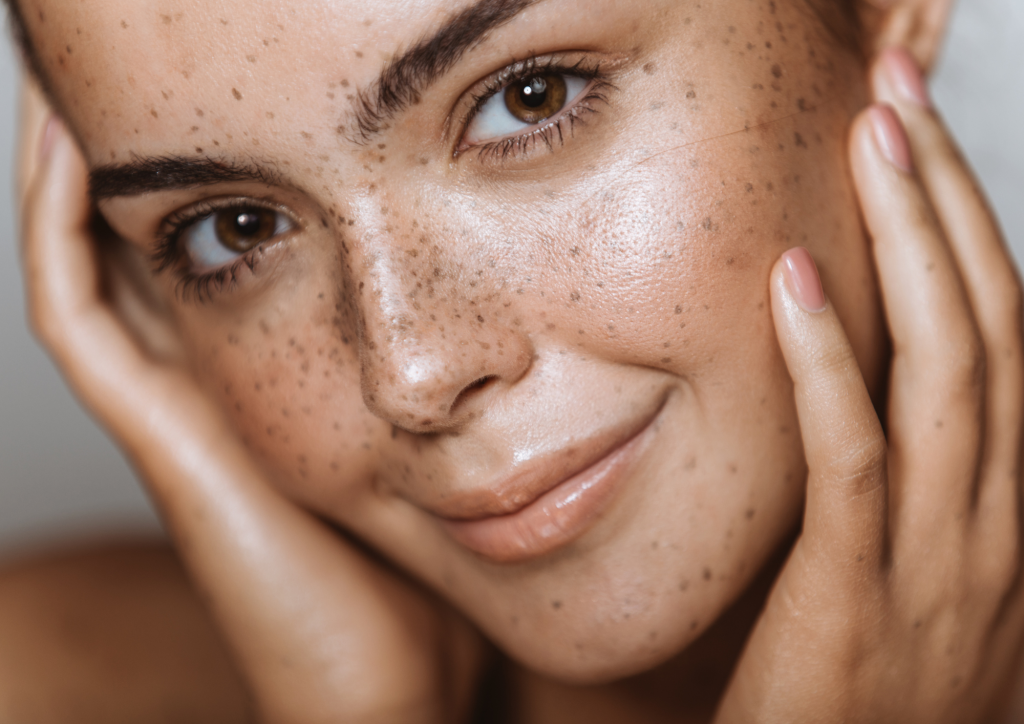
Hyperpigmentation, on the other hand, is a condition characterized by the excess production of melanin, leading to dark patches or spots on the skin. These spots can be more pronounced in certain areas, such as the face, hands, or other sun-exposed areas.
Causes of Pigmentation and Hyperpigmentation:
- Sun Exposure: The primary cause of both pigmentation and hyperpigmentation is sun exposure. Ultraviolet (UV) radiation triggers melanocytes (cells that produce melanin) to produce more pigment as a natural defense mechanism. Over time, this can lead to an uneven distribution of melanin, resulting in pigmented spots or patches.
- Hormonal Factors: Hormonal fluctuations, such as those occurring during pregnancy (melasma) or due to hormonal therapies, can lead to increased melanin production. This commonly results in dark patches on the skin, particularly on the face (known as the “mask of pregnancy” or chloasma).
- Post-Inflammatory Hyperpigmentation (PIH): Inflammatory skin conditions, such as acne, eczema, or injury to the skin, can trigger an overproduction of melanin as part of the skin’s healing response. This can cause dark spots or discoloration in the affected areas, even after the initial inflammation has subsided.
- Genetic Predisposition: Some individuals may have a genetic predisposition to developing hyperpigmentation. Certain ethnicities, such as those with deeper skin tones, are more prone to experiencing pigmentation concerns.
Addressing Pigmentation and Hyperpigmentation:
- Sun Protection: The key to preventing and managing pigmentation and hyperpigmentation is diligent sun protection. Use a broad-spectrum sunscreen with SPF 30 or higher daily, wear protective clothing, and seek shade during peak sun hours.
- Skincare Products: Incorporate skincare products that target pigmentation and hyperpigmentation concerns into your routine. Look for ingredients like vitamin C, niacinamide, kojic acid, and alpha hydroxy acids (AHAs) to help lighten dark spots and even out skin tone.
- Professional Treatments: Consult with a skincare professional who can recommend professional treatments tailored to your specific concerns. Options such as chemical peels, microdermabrasion, laser therapy, and IPL photofacials can effectively address pigmentation and hyperpigmentation.
- Patience and Consistency: Treating pigmentation and hyperpigmentation requires patience and consistency. It takes time for the skin to heal and for the dark spots to fade. Consistently following a skincare regimen and incorporating targeted treatments will yield gradual improvements over time.
Understanding the difference between pigmentation and hyperpigmentation is crucial in addressing these common skin concerns effectively. While pigmentation refers to the natural coloration of our skin, hyperpigmentation involves the excess production of melanin, leading to dark spots or patches. By protecting your skin from the sun, using appropriate skincare products, and seeking professional treatments.